
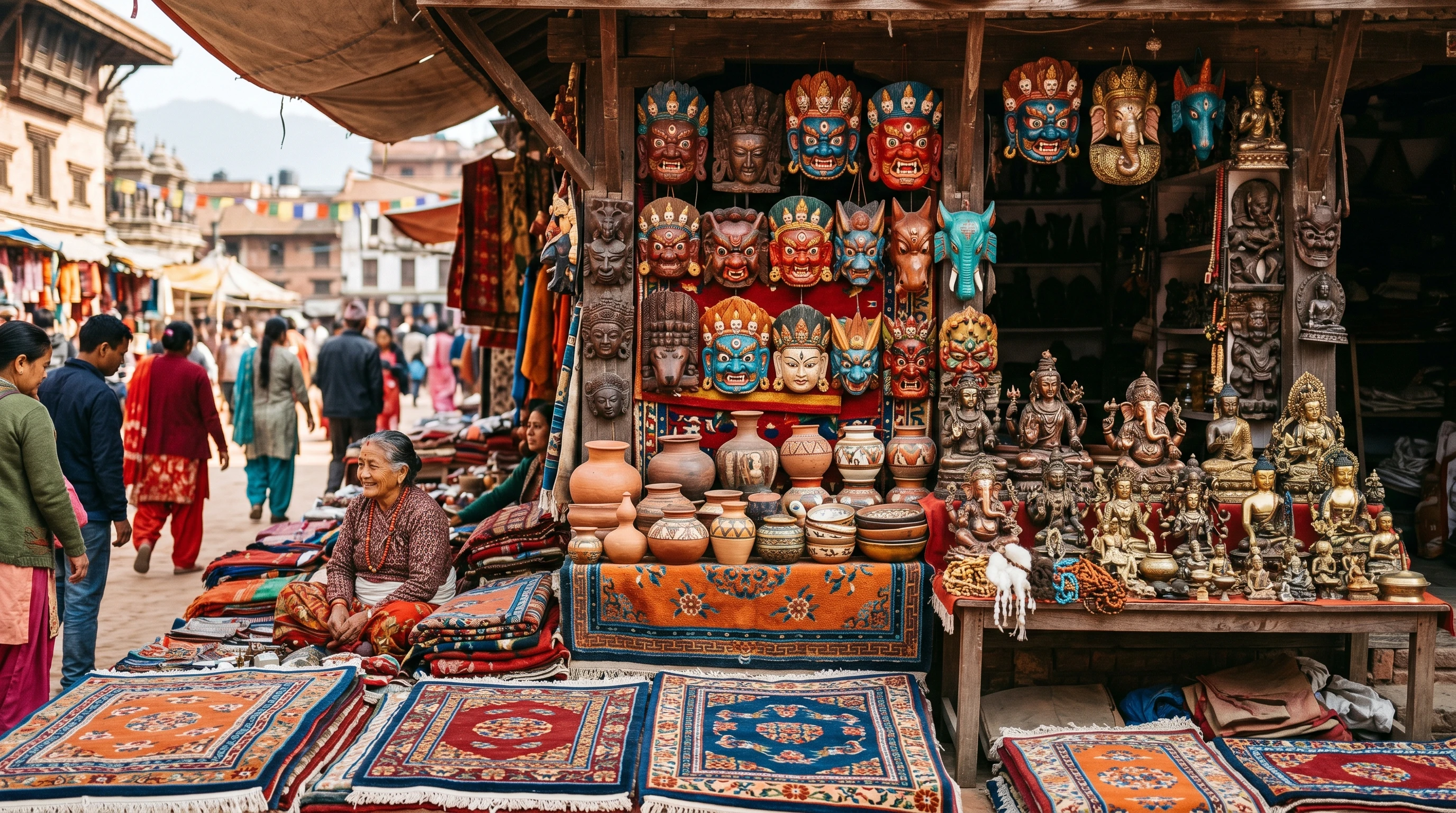
Artisanal handicrafts in Nepal offer more than just artistry. They give a glimpse into centuries of history, daily traditions, and the unique blend of cultures that define this mountain country. Walking through markets in Kathmandu or exploring villages tucked into the hills, you notice how crafting is woven into everyday life. From intricately carved wooden windows to vibrant woolen carpets, traditional techniques are passed along through generations, shaping Nepal’s visual identity. If you’re interested in learning about the heart and soul behind Nepal’s handmade treasures, this guide will show you what makes these crafts worth checking out.
Why Artisanal Handicrafts Matter in Nepal
Handicrafts aren’t just souvenirs for travelers. They’re a big part of how many Nepali families make a living, and they also play a super important role in keeping old skills and stories alive. Handmade goods like jewelry, metal statues, and textiles showcase influences from Hindu, Buddhist, and even Tibetan traditions. Every item is like a mini time capsule, holding memories and stories from generations past.
According to the Federation of Handicraft Associations of Nepal (FHAN), Nepal’s handicraft industry provides employment for over a million people, many in rural communities where other job options can be limited. This industry keeps evolving, mixing oldschool techniques with fresh designs that appeal to both local shoppers and a global audience. By keeping these traditions alive, Nepali artisans preserve the country’s rich cultural mix and make sure the beauty of their crafts continues to spread around the world.
Nepal’s Most Popular Traditional Crafts
Some handicrafts are pretty iconic in Nepal. Following are the ones you’ll spot almost everywhere, and locals take real pride in making, selling, and even gifting them.
- Thangka Paintings: These are detailed scroll paintings, usually showing Buddhist deities, mandalas, or scenes from religious tales. Making a thangka takes patience and extensive training. Sometimes, artists spend months finishing intricate works using mineral paints and gold leaf on cotton or silk. They play a big role in meditation and temple life.
- Pottery (Khwaapa): Pottery is especially common in the town of Bhaktapur, where you’ll even see open spaces filled with drying pots or people shaping clay on wheels. Artisans shape everything from basic water jugs to elaborate vessels for ceremonies, all fired in traditional kilns fueled by straw and wood.
- Wood Carvings: Kathmandu Valley is full of wooden temples and Newari buildings with ornate window frames, doors, and statues. The carving process can be painstaking, often starting with a rough sketch and involving hours of careful chiseling. Many temples still stand because of the strength and beauty of Newari woodwork.
- Metalwork and Statues: Nepali metalwork, in bronze, brass, and copper, is recognized worldwide. Artisans use the “lost wax” process for statues of deities and ceremonial objects. Skilled hands are needed to add the finishing touches and details that make every sculpture come alive.
- Himalayan Woolen Goods: Yak wool shawls, pashmina scarves, and felted slippers work as practical items for cold weather and as gifts. In places like Mustang and Solukhumbu, spinning, weaving, and felting are everyday skills passed down from elders to children.
- Dhaka Textiles: Known for bold, geometric patterns, Dhaka fabric is handwoven in eastern hills. You’ll see the fabric made into topis (traditional hats) and women’s shawls. Making Dhaka is time consuming, but the designs really make the finished items stand out.
How Traditional Handicrafts Are Made
Each Nepali craft has its own techniques and sets of tools, with attention to detail and skill shown in every stage of creating.
- Handspinning and Weaving: Lots of rural homes have spinning wheels (charkha) and looms right in the living space. After washing and carding raw wool or cotton, the spinner makes threads, which get woven into rugs, blankets, and clothing on sturdy wooden looms set up in the family room or community shed.
- Wood and Stone Carving: Starting with a sketch or design, artisans take blocks of wood or stone and carve intricate shapes using simple chisels and knives. They work slowly, smoothing the surface with sandpaper and sometimes finishing with plant oils for extra shine and lasting beauty.
- Metal Casting: For statues and religious objects, artisans mold beeswax to form the original model. The model gets covered with multiple layers of clay, then heated so the wax runs out, leaving a mold that gets filled with molten metal. Once cooled, the mold is broken, and the metal piece is sanded and detailed by hand.
- Natural Dyeing: Dyers in Nepal often use natural dyes derived from plants and roots, like madder for red, turmeric for yellow, and indigo for blue. Recipes are passed down over generations, and careful timing ensures the colors stay vibrant even after years of use.
Often, artisans are eager to share their stories, talking about challenges faced during hard weather, or about the pride they feel when someone recognizes their signature work. Sometimes, workshops are open for visitors, letting travelers see the making process up close.
Challenges Facing Nepali Handicrafts
Preserving traditional crafts is tough. Many young people move to cities or even overseas for better paychecks, choosing other work over long hours in handicraft trades. As a result, some skills are fading away, and it’s getting harder to convince the next generation to learn them. Cheap imports and mass-produced goods also make competition fierce, especially for rural artisans who can’t easily market their products to big buyer groups.
Natural disasters often bring serious setbacks. Monsoons, landslides, and earthquakes have damaged workshops, tools, and stockpiles of raw materials in recent years, making it even harder to keep steady production. Despite these challenges, local and international organizations keep stepping in with training sessions, updated tech, and fairtrade cooperatives that help modernize how handicrafts are sold and shipped. These efforts give artisans a place at the table in a rapidly changing world and keep handmade traditions from disappearing.
Tips for Buying and Supporting Handmade Nepali Crafts
If you’re in Nepal or shopping online, picking up handcrafted goods is a direct way to support hardworking artists. A few simple steps can make sure your purchase has a positive impact and brings home something special.
- Look for Fairtrade Labels: Groups like WFTO and Fairtrade International have systems to make sure artisans get a fair deal and safe working conditions. These labels mean your money actually helps the people making the crafts.
- Ask About Production: Don’t be shy about chatting with shopkeepers or artists about how something was made and whether it uses traditional methods. Real artisans love sharing their passion and may even show you some of their techniques if you ask.
- Check for Quality: Handmade goods often have tiny imperfections that prove they’re one of a kind. Still, check for tight stitching, smooth carving, or neatly finished edges to be sure you’re getting a wellmade item.
- Support Artisan Markets and Shops: In Kathmandu and other major towns, shops and stalls run by cooperatives, women’s groups, or family artisans are easy to spot if you take your time. These businesses usually offer more genuine, locally made items than big tourist market chains.
- Buy Directly: Whenever possible, try to purchase directly from makers at local stalls or verified online stores connected to Nepalese artisans. Your money has a bigger impact, and sometimes you’ll get to meet the person who made your souvenir.
Artisanal Handicrafts: Cultural Significance Beyond Decoration
Nepali crafts are far more than just decorations or trendy gifts. Thangkas play a key role in meditation and spiritual practice. Carved doors and windows are believed to protect homes and bring luck. Even a simple black clay cup used to serve tea to guests tells a story about local religion, traditions, and the value of hospitality.
During festivals, crafts are front and center—kites are made and flown for Dashain, brass lamps get polished and displayed for Tihar, and flower garlands are woven for special rituals. In these moments, craftwork isn’t just historic; it’s a living part of daily life that brings people together.
Frequently Asked Questions
Here’s a quick guide to some common questions I hear about Nepal’s traditional crafts:
Question: Are Nepali crafts only made in rural areas?
Answer: Many crafts do have roots in villages, but cities like Kathmandu and Patan are full of small workshops and training centers. Some even offer workshops so young people can learn and keep skills alive for the next generation.
Question: What’s the difference between a pashmina scarf and other woolen goods?
Answer: Genuine pashmina is spun from the fine undercoat of Himalayan mountain goats, making it softer and lighter than regular sheep’s wool or blends. High-quality pashmina scarves are tight, smooth, and cozy. Be wary of cheap copies made from synthetic fibers.
Question: Is it possible to take handicrafts home safely?
Answer: Yes, you can take most handicrafts home without trouble. Declaring items made of animal products is necessary to clear customs, and all fragile goods should be packed well. Foam, bubble wrap, and sturdy boxes are always your best friends for safe transport.
Connecting With Nepali Tradition Through Handicrafts
Bringing home a handcrafted item from Nepal means a lot more than picking up a generic souvenir. You support families, help keep rare skills alive, and get a real connection to centuries-old traditions. Maybe it’s a copper singing bowl with a pure, lingering sound or a brightly patterned Dhaka cap—whatever it is, you carry a story that stretches far beyond your own. If you ever pass through Nepal or browse Nepali shops online, know that connecting with these crafts is always worth your time and attention.