
Exploring Lalitpur always feels like unlocking a series of hidden surprises, whether it’s stumbling upon a carved wooden window in a quiet alley or finding yourself in the midst of a lively courtyard festival. Lalitpur, Patan, and Yala are three names for the same city in the Kathmandu Valley. “Yala” is its original Newari name, “Patan” is the commonly used traditional name, and “Lalitpur” is the official administrative name. This part of the Kathmandu valley offers an experience for art lovers, history fans, spiritual seekers, and anyone attracted to places filled with vibrant energy and deep-rooted tradition. A fresh photobook, “Yala Mhasika/Exploring Lalitpur/Lalitpurko Chinari,” put together by the Lalitpur Chamber of Commerce & Industry and written by heritage experts Anil Chitrakar and Roshla Chitrakar, really brings Lalitpur’s layered story into crisp focus. It’s packed with all-in-one information for anyone serious about getting to know this city beyond its surface.
Why Lalitpur Deserves More Attention
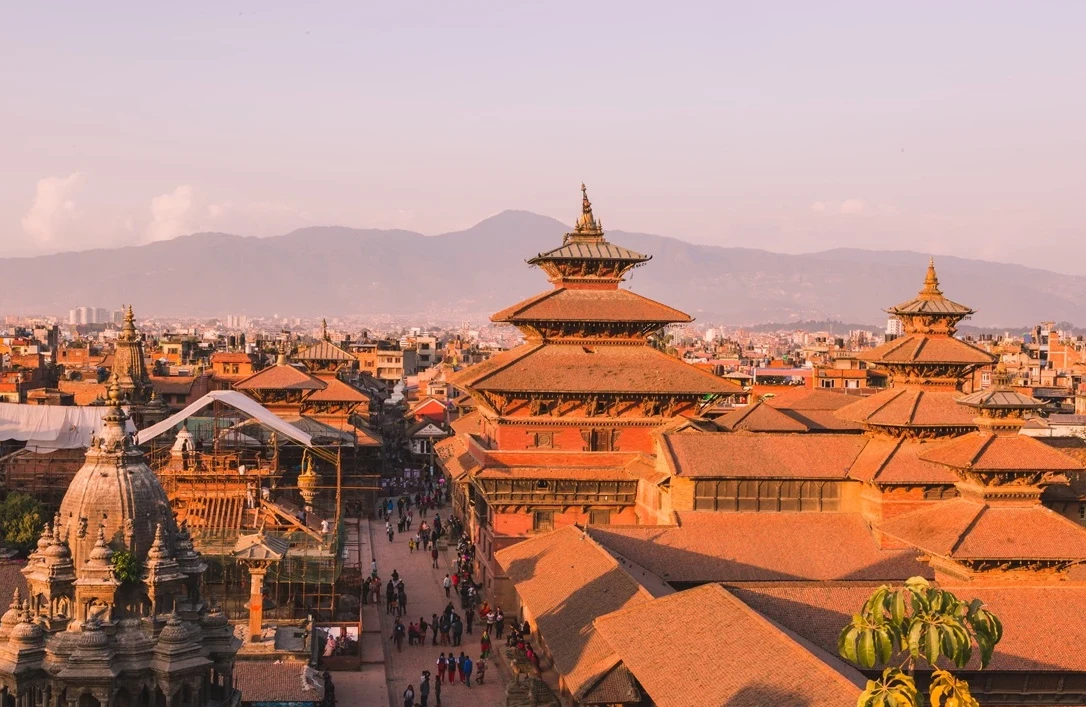
Many tourists visiting Nepal go straight to Kathmandu or Bhaktapur, but Lalitpur (Patan) offers something special; it has beautiful sights, a friendly local community, and a long tradition of artistic creativity. The word Lalitpur means “City of Fine Art,” perfectly fitting for a place where temples, courtyards, and neighborhoods have been shaped for nearly two thousand years. Yet, what’s truly memorable here goes beyond the buildings, there’s a special brand of communal living that keeps Lalitpur lively, walkable, and friendly community spirit.
Fresh publications like the Yala photobook will help you to explore the city and see how tradition, sustainability, and culture can thrive side by side. Anyone interested in how ancient urban living can inspire modern neighborhoods will appreciate it.
The Art and Architecture of Yala: A Lasting Legacy
While roaming Lalitpur’s streets, it’s clear the locals really care about their craft, whether it’s stone carving, brass casting, or creative woodwork that’s survived generations. This city is like a living art gallery showing off Nepalese art history. Some must-sees include:
- Patan Durbar Square: Here you find a concentration of temples together. This UNESCO World Heritage Site is a treasure trove of Newari architecture, hidden courtyards, and centuries-old craftsmanship that will impress all visitors.
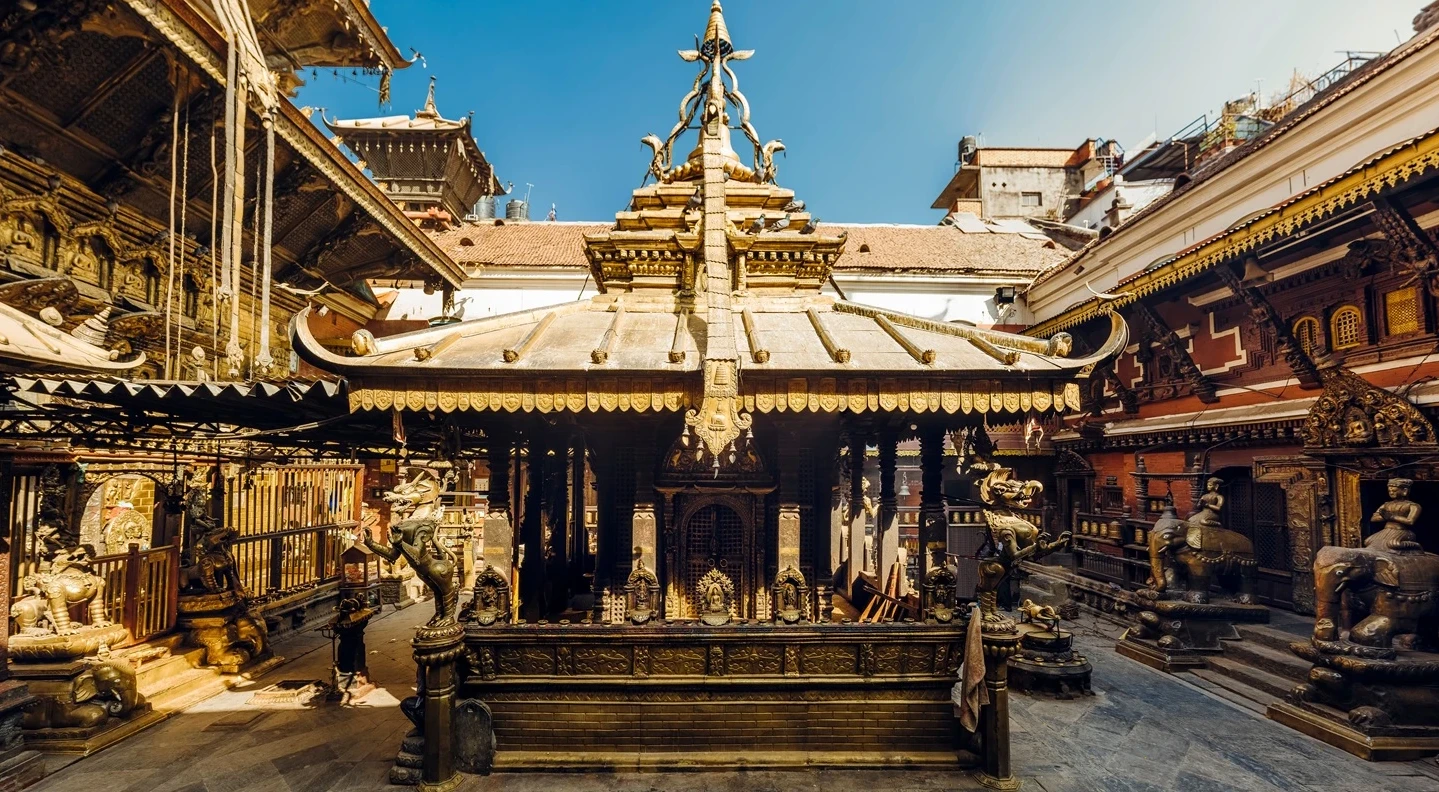
- Kwa Baha Golden Temple: An eye-catching Buddhist monastery completely sheathed in gold-plated copper, bursting with intricate carvings. When the morning sun lands on the details, it really lights up the whole space.
- Cherished courtyards (Bahabahil): Many hidden communal courtyards double as art hubs, with elaborate stone spouts, prayer wheels, and relics caught in centuries of city life.
Even if you’ve explored Kathmandu’s Durbar Square, the unique harmony you’ll find among Lalitpur’s shrines and palaces sets it apart. The mix of local Newar traditions and influences from all over South Asia, thanks to generations of trade and pilgrimage—makes each corner surprising and meaningful.
Lesser Known Gems You Don’t Want to Miss
Lalitpur is packed with lesser-known treasures beyond the main tourist drag. Start with these:
- Patukdom: Said to be the last surviving piece of the Kirat civilization’s palace, this ruin at Mangal Bazar reminds visitors of the city’s even older roots. Researchers are still trying to piece together what once stood here.
- Mahabouha Temple: Inspired by the Bodh Gaya temple in India, it contains 3,341 terracotta Buddhas and 90 massive statues. It took four generations and 35 years to finish.
- Charumati Chaitya: Built near Pim Bahal around 300 BC by Princess Charumati, daughter of Emperor Ashoka, this is one of Nepal’s oldest Buddhist landmarks.
- Pim Bahal: More than a scenic pond, this spot carries a local legend; supposedly, a Lakhe demon dug it to win the heart of a village girl. Today, it’s a lively spot where people gather at one of the many cafés to enjoy coffee, tea, or light snacks together.
Spiritual Blends: Buddhism, Hinduism, and the City’s Sacred Heart
Lalitpur has long been an expression of spiritual sharing, with monasteries and temples cropping up side-by-side. It is a place where Buddhist and Hindu traditions mingle freely.
- Tadham Cuka: Known for its chaityas (Buddhist stupas) symbolizing key events in Buddha’s life, Tadham Cuka offers a snapshot of how ancient icons still shape faith here.
- Ajima of Haugal Tole: This courtyard is home to Nepal’s oldest stone scripture, sitting just steps away from a beloved Gaja Laxmi shrine—a perfect example of two faiths sharing the same ground.
- Bignantak Ganesh Temple: A temple with a special design showing how Hindu beliefs and Vajrayana Buddhist rituals blend during local worship and celebration.
If you’re fascinated by how religions shift and mix, a wander through Lalitpur’s spiritual centers reveals a harmony that’s genuinely rare in today’s world.
Festival Life: Celebrating Karunamaya and Community Spirit
If you visit when Patan’s Karunamaya festival is underway—better known as Machhindranath Jatra—you’ll see the entire city fire up with excitement. For days, neighbors, craft guilds, and families work together, weaving massive ropes and building a 25-meter-tall chariot to parade the rain-bringing deity through packed streets. The wood comes from local forests, and construction is strictly a job for master artisans who have handed down their skills for centuries.
What stands out most is how each festival task brings folks together; elders, teens, vendors, monks, and musicians all team up.
Walking Routes That Show the Real Lalitpur
To really get a feel for Lalitpur, head out on foot. The new photobook maps out five walking circuits, each starting from a different entry:
- Patan Dhoka Route: Soaks you in history, passing by courtyards and reflective ponds marking ancient settlement patterns. Starting at Patan Dhoka (Gate), via Pim Bahal, Hiranya Varna Mahabihar, Kumbheswor and Swatha Navayan to Patan Durbar Square (Mangal Bazar)
- Pulchowk Route: Starting at Pulchowk, via Kweyna Ganesh, Shree Baha, Nabaha, Purna Chandi, Bu Baha, Baga Tu, Kayagu Nani and Dau Baha to Patan Durbar Square.
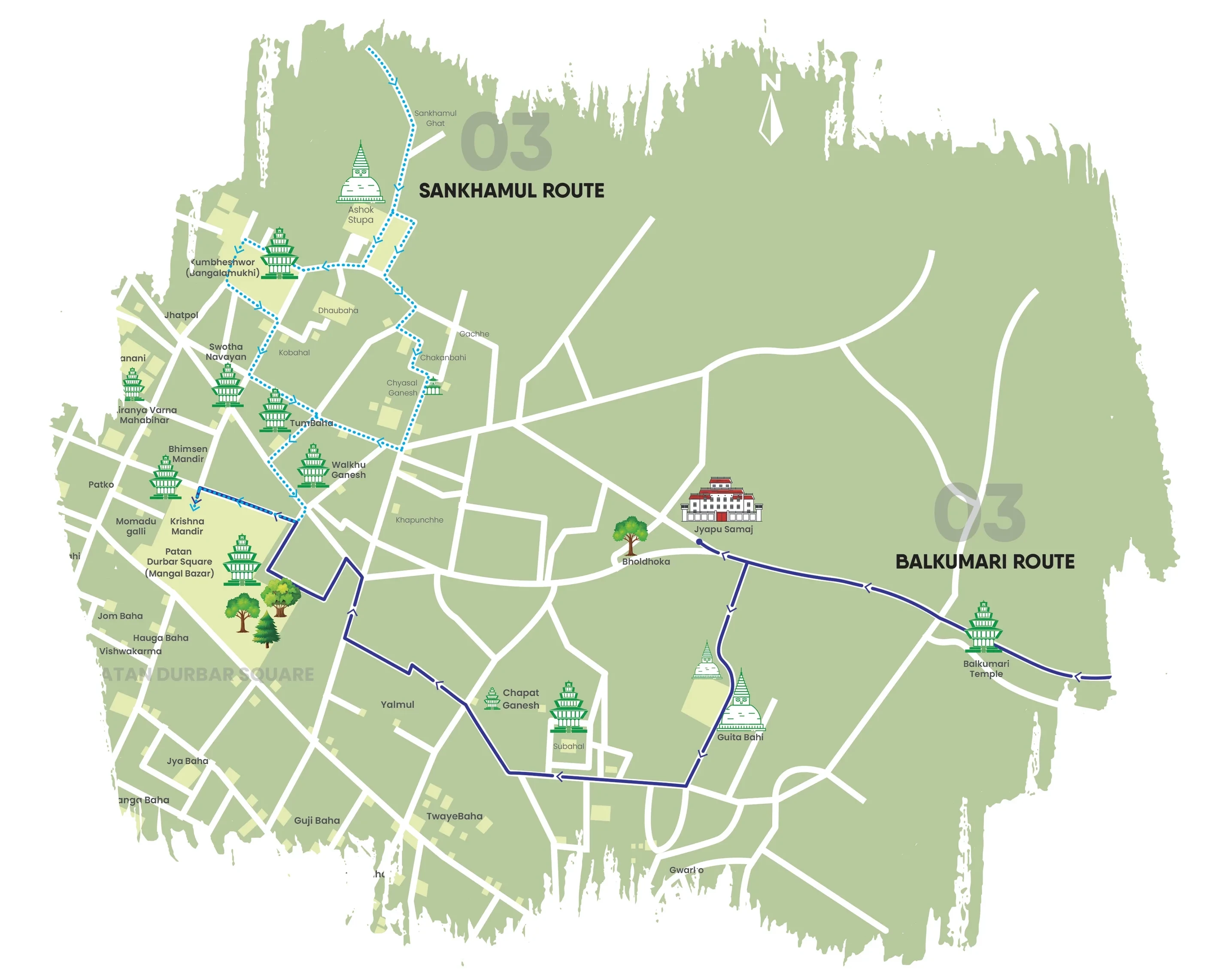 Map: photobook, “Yala Mhasika/Exploring Lalitpur/Lalitpurko Chinari,”
- Shankhamul Route: This is a stroll where you’ll see active temples and get caught in the exitement of daily market trade.
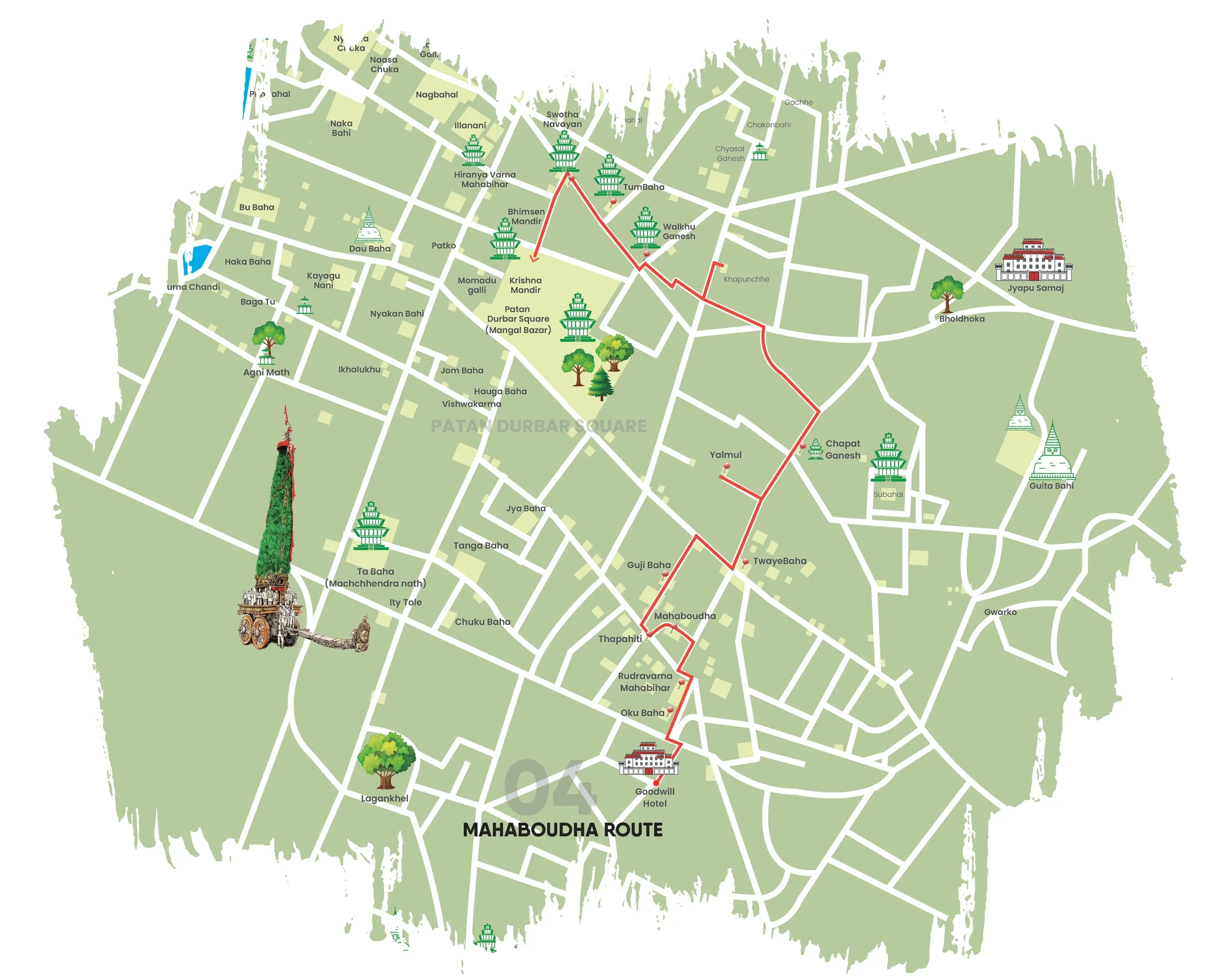 Map: photobook, “Yala Mhasika/Exploring Lalitpur/Lalitpurko Chinari,”
- Mahaboudha Route: Rich in religious diversity and lined with artisan workshops, this walk lets you catch metalsmiths and potters bringing their crafts to life.
- Lagankhel Route: From Lagankhel via Machchhendra Nath Tempel and Agni Math to Patan Durbar Square.
Each route brings together bahabahil (communal housing courtyards), sacred ponds, public squares, old stone fountains, and regular neighborhood shrines. You’ll watch people gathering, kids playing, and day-to-day rituals unfolding, it’s the real pulse of Lalitpur.
Practical Tips for Exploring Lalitpur
- Take It Slow: Most of the special moments are in the small stuff, an old woodcarving or a faded prayer flag, so let yourself wander without a tight agenda.
- Respect Local Customs: Many temples and courtyards are still in daily use for prayer or community happenings. Take your shoes off, ask before snapping a photo, and look for posted guidelines to keep things smooth for everyone.
- Sample Local Food: The city is filled with snack stands and sweet shops. Don’t miss classic Newar treats like yomari (sweet steamed dumplings) or bara (hearty lentil cakes), these are the flavors of Lalitpur.
- Support Traditional Shops: Buy a piece of pottery, some brasswork, or a painted thangka to help artists keep old school crafts alive.
Frequently Asked Questions About Visiting Lalitpur
How do I get from Kathmandu to Lalitpur?
It’s right over the Bagmati River. You can catch a taxi or the airport) or jump on a local minibus. It usually takes about half an hour when the roads aren’t jammed up.
Is Lalitpur safe at night?
Most areas, especially around central Patan, are safe for evening walks. Just keep an eye out as you would anywhere.
When’s the best season to visit?
October through December offers great weather and festival energy. March to May is good too, expect lively street scenes and perfect light for photography.
Can I watch artisans at work?
Drop by workshops in Pulchowk for metalwork, browse pottery yards close to Durbar Square, and wander into open studios to see carvers and painters at work.
Should I hire a guide or go solo?
You can do plenty by yourself with a map or digital app for help, but local guides often reveal city stories and favorite spots tourists would probably miss.